Dubai rental-property care guide
How to Protect Outdoor Furniture in Dubai Rental Properties from Sun, Dust and Heat
Outdoor furniture in Dubai faces strong UV, fine dust, intense heat, coastal humidity and occasional rain. A few consistent habits can keep balcony and terrace pieces looking good for years.
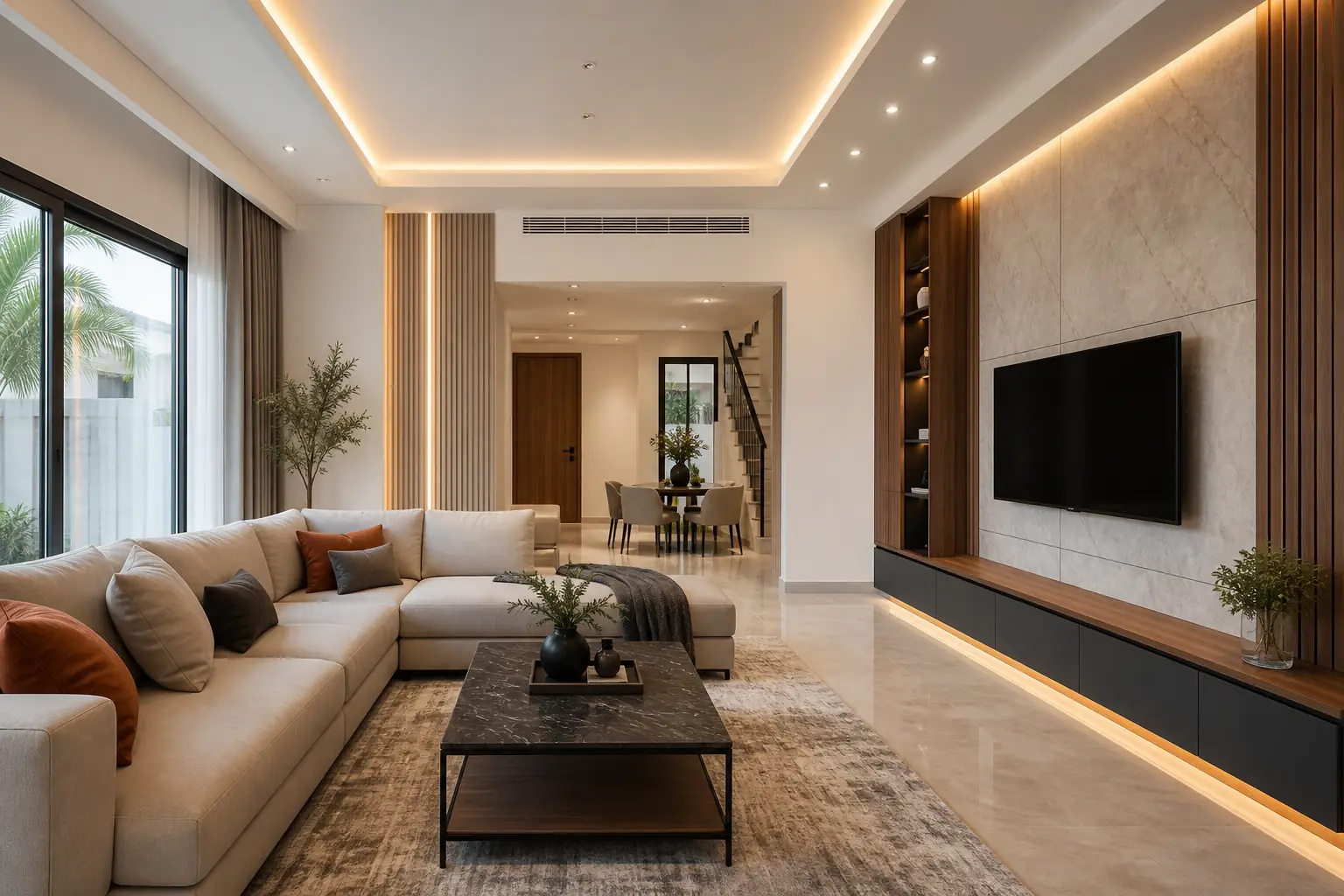
Small routines help furniture last through Dubai's demanding outdoor conditions.
Understand the climate
What Damages Outdoor Furniture in Dubai?
Outdoor furniture in Dubai works hard. A balcony sofa in Marina, a dining set on a villa terrace in Arabian Ranches or a pair of loungers by a shared pool all face the same strong sun, fine dust and months of heat. For landlords, this can mean furniture that looks tired within a season or two. For tenants, it can mean awkward conversations at handover.
Most damage is slow and predictable. Summer temperatures regularly pass 40°C, and the sun is strong for most of the year. Coastal areas add high humidity and salty air, while inland and new-build areas often see more dust and sand when the wind picks up. Winter is milder but can bring heavy rain, and rain mixed with dust leaves marks on cushions and fabric.
- Sun and UV: Ultraviolet light fades colour and weakens fabric fibres. Dark cushions may fade unevenly, while plastic or resin parts can become brittle and crack.
- Heat: Metal frames can become too hot to touch, cushion foam can dry out and lose shape, and glued joints can loosen as they heat and cool each day.
- Dust and sand: Fine particles settle in weaves, zips and seams. Wiping heavy dust off dry can scratch surfaces and dull finishes. Dust left for weeks may also hold moisture against the material.
- Humidity and salt air: Coastal moisture can encourage mould on cushions and speed corrosion on unprotected screws, hinges and frames.
- Rain: Dubai receives limited rainfall, but cushions that stay wet can develop mildew and a musty smell.
Match care to the material
How to Care for Common Outdoor Furniture Materials
Aluminium
Aluminium does not rust like steel and generally resists corrosion well, which is why it is a common frame material in Dubai. Look for powder-coated finishes and wipe them with mild soapy water. Avoid abrasive pads that can scratch the coating and expose the surface underneath.
Teak and other hardwoods
Teak handles heat well but naturally turns silver-grey in the sun. That colour change is cosmetic. If you prefer the original warm tone, clean the wood and apply a suitable oil once or twice a year. Keep wooden legs out of standing water and let the furniture dry after washing.
Synthetic rattan or wicker
Good-quality resin wicker is designed for outdoor use, but lower-grade versions can crack under intense UV. Use a soft brush or vacuum to lift dust out of the weave before washing so you do not grind fine particles into the surface.
Cushions and outdoor fabric
Cushions are often the first components to show wear. Solution-dyed outdoor fabrics usually resist fading better than standard polyester. Even so, store cushions away from direct sun when the furniture is not being used, and allow them to dry fully before covering or storing them.
Hardware
Stainless-steel screws and bolts usually last longer than plain steel in humid areas. Check hardware every few months, tighten loose fittings and address any early signs of corrosion before they spread.
A simple maintenance rhythm
An Easy Outdoor Furniture Care Routine
You do not need a complicated maintenance plan. A short routine, followed consistently, covers most preventable damage.
Every week
Brush or wipe away dust with a soft, slightly damp cloth. Avoid dry-wiping a heavy layer of dust because the fine particles can act like an abrasive.
Every month
Wash frames and washable cushions with mild soap and water, rinse thoroughly and allow every part to dry in the shade.
Every season
Check screws, joints and feet. Look for early fading, mould, torn seams or worn coatings so small issues can be handled before they become replacements.
Before summer or a long absence
Clean the furniture, make sure it is completely dry, then cover it or move loose cushions indoors.
The highest-impact precaution
Use a Properly Fitted, Breathable Cover
If you do only one thing, cover outdoor furniture when it is not in use. A fitted cover helps block UV light, keeps off dust and shields furniture from rain. Covers are especially useful in rental properties, where a unit may sit empty between tenants or the owner may not be on site to manage regular care.
Generic one-size covers can flap in the wind, collect water and allow dust to blow underneath. For unusual shapes such as an L-shaped sofa, round dining table or sunbed, custom-made outdoor furniture covers may fit more closely and stay in place more reliably.
Check three details when choosing a cover:
- Fabric: It should resist UV and water while remaining breathable. A fully sealed cover can trap moisture and encourage mould.
- Fit: Measure length, width and height, including raised arms, tall backs and any projecting sections.
- Fastenings: Straps, drawcords or elastic hems help the cover remain secure during strong winds.
Avoid preventable damage
Common Outdoor Furniture Mistakes
- Covering wet furniture: A cover over damp cushions traps moisture and can quickly cause mould. Let every piece dry first.
- Using a pressure washer: High pressure can force water and dust into weaves and seams or strip surface finishes. A hose, soft brush and mild soap are usually enough.
- Leaving cushions out all summer: Even good outdoor fabric fades faster under direct midday sun for months. Rotate cushions and store them when they are not needed.
- Ignoring small problems: A loose screw, minor tear or first patch of mould is usually easy to fix. Left for a season, it can become a replacement.
- Choosing furniture by appearance alone: For a rental property, check frame materials, fabric ratings and whether replacement cushions or parts are readily available.
Protect the property and the record
What Landlords and Tenants Should Do Between Tenancies
The period immediately after a tenant leaves is the best time to protect outdoor furniture. Take dated photographs of each item and record existing marks, fading or damage. Confirm the condition in writing and check the tenancy contract to understand who is responsible for outdoor items.
Clean and dry everything before the property sits empty, cover the main pieces and store loose cushions indoors. This protects the furniture, while clear photographs make future discussions about condition easier to resolve. Landlords planning broader work can also use a Dubai rental-property refresh checklist to coordinate cleaning, repairs and handover tasks.
Final Thoughts
Outdoor furniture in Dubai rarely wears out all at once. It is gradually affected by sun, heat, dust and moisture. Choose materials suited to the climate, remove dust gently, keep cushions dry, inspect hardware and cover furniture whenever it is not in use. These habits cost little and keep a terrace or balcony ready for owners, tenants and guests.
Guest contribution
About This Article
This article was contributed by the Dubai Furniture Covers Team and reviewed and formatted by the Home Renovation AE editorial team. It is a sponsored guest contribution intended to provide practical maintenance information for Dubai landlords and tenants.
Preparing a property for its next tenant?
Plan a Dubai Rental-Property Refresh
Send the community, property type, photos and priority repairs for an initial scope review.